
October 10, 2026




Somewhere within a ten-minute walk of your front door is a fact you do not know. Why the pavement on one side of your street slopes more than the other. Why the corner shop still has a hand-painted sign under the newer one. Why the man two doors down keeps bees on a shed roof and what he does with the honey in February.
A curiosity club is a standing excuse to go find those things out with other people. No experts, no formal talks, no membership fee. You bring something odd you noticed; everyone else brings something odd they noticed; the evening ends with more questions than it started with. That is the whole design.
Starting one is easier than most people expect. The hard part is not the format. It is picking a date and asking five people before the idea cools off.
It is not a lecture series, and it is not a book club with homework. There is no required reading and no one is expected to know more than anyone else. The currency is attention, not expertise.
A useful meeting goes like this: six people around a kitchen table, each with one thing to share for five minutes. Someone has been reading about the abandoned railway line behind the supermarket. Someone else brought a photograph of their grandmother standing outside a building that no longer exists. Someone asks why the town clock chimes a minute late and nobody knows, so it becomes next month's question.
Groups of four to twelve work best. Below four, one absence cancels the evening. Above twelve, quiet people stop talking, and the quiet people often have the strangest facts.
Do not announce a club. Ask individuals. Think of the people you already say hello to: the neighbor who is always in the garden, the librarian, the person at the bus stop with the dog, the parent at the school gate, the shopkeeper who has been on that street for years.
Expect roughly half the people you ask to say yes and half of those to actually turn up the first time. That is normal and not a sign of failure. Invite seven to get four.
Name a date and a place in the first message. "We should do something sometime" produces nothing. "Thursday the 14th, my kitchen, 7pm, bring one strange fact about this street" produces a club.
One rule for the invitation: say clearly that nobody needs to prepare anything, and that "I noticed this and don't understand it" counts as a contribution.
Meetings do not have to look the same every month. Rotate between a few simple formats and the group will stay awake:
Keep it short. Ninety minutes with a hard stop is better than three hours that end in yawns.
Most group gatherings fail from small social frictions rather than boredom. A few light rules prevent that:
Old maps are the richest source. Compare a map from fifty years ago with the street outside and you will find vanished lanes, filled-in ponds, and buildings that changed names three times. Parish records, the library's local collection, and the noticeboard in the church porch are usually free to browse.
The other source is people. Ask an older neighbor what used to be where the car park is now. Ask the person who runs the shop how long the family has had it. Ask the allotment holders what grows unexpectedly well in this soil.
If you photograph people, letters, or gravestones, ask before sharing anything outside the group. Some neighbors are happy to talk and not happy to appear online, and that line should be respected without argument.
Rotate the hosting. Whoever hosts provides the room; everyone else brings something to share, which keeps costs near zero and spreads the work. Avoid collecting dues until you genuinely need a room you have to pay for, and if that day comes, say plainly what the money is for and what happens to anything left over.
Attendance will dip. It always does, usually in winter and usually right after a good meeting. Do not read it as rejection. Switch to a walk or a field trip, send two personal messages rather than a group announcement, and continue with whoever comes. A club of three curious people is still a club.
Pick a date within the next three weeks. Invite five people individually. Choose a single opening question, something like: what is one thing within a mile of here that you cannot explain? Then put out chairs, make tea, and set a timer.
The first meeting will be slightly awkward, and the second will be better. Within a few months you will have a notebook of unanswered questions about your own street, a handful of neighbors who now expect to see you, and the pleasant habit of walking home the long way because you have started noticing things.
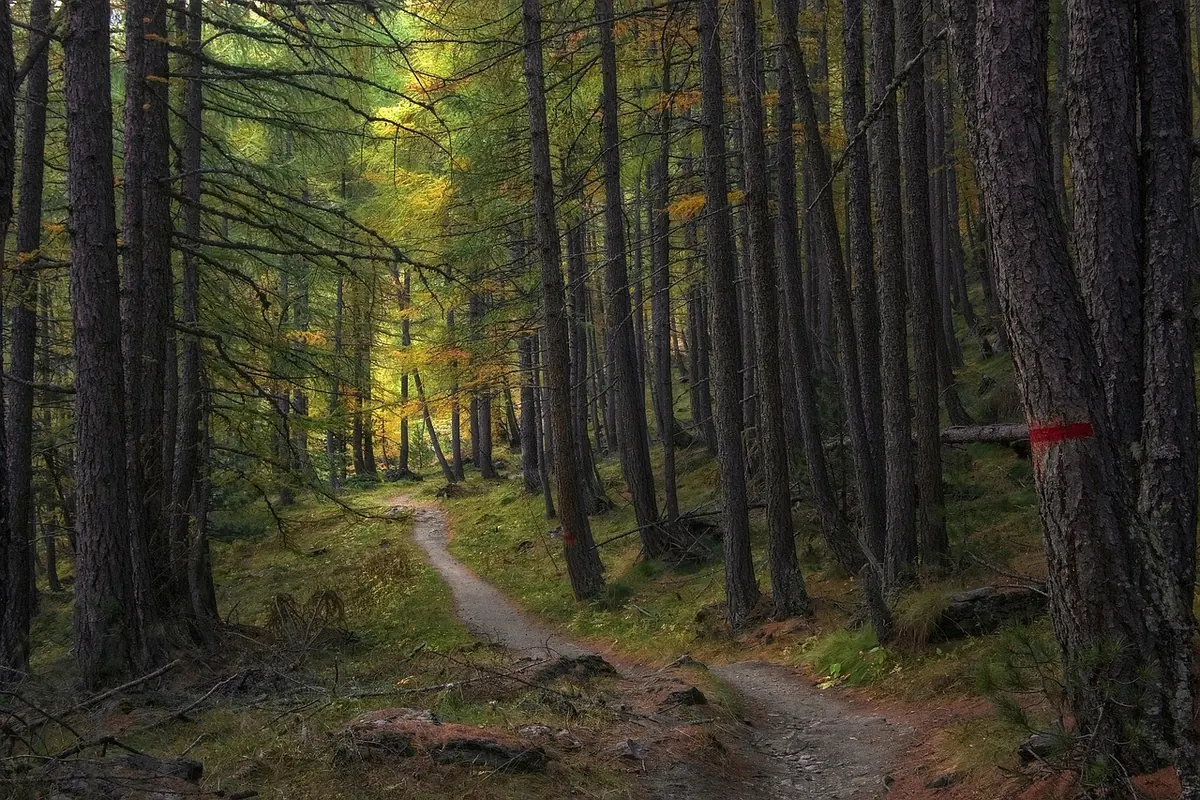
Photo: Surprising_Media / Pixabay
A ton of curious facts and stories.
Copyright © 2026 Curious Ton. All rights reserved. Curious Ton.